
DPO Radio
 AI Law Circular 05/2026/TT-BKHCN [ACTIVE]
Effective 10 March 2026. ComplianceOne helps teams prepare, manage, review, and evidence relevant operational work.

Circular 05/2026/TT-BKHCN National AI Ethics Framework provides an official subordinate ethics and responsible-AI guidance layer beneath the Vietnam AI Law. It is represented according to its implemented legal role and is not promoted into a broader or more binding framework.
Operational themes include responsible-AI principles, ethics assessment, human oversight, governance evidence, and cross-framework review. Teams should confirm applicability and legal interpretation with qualified advisers.
This instrument sits beneath the Vietnam AI Law 2026, Law 134/2025/QH15. The parent law establishes AI governance duties – risk classification, transparency, incidents, and controlled testing – with Decree 142/2026/NĐ-CP supplying the active implementing procedures and Decision 33/2026/QĐ-TTg listing the high-risk AI system categories. Circular 05 adds a subordinate ethics and responsible-AI guidance layer beneath all three: human oversight, transparency notices, complaint handling, responsible testing safeguards, and periodic self-assessment, mapped to those controls without creating a duplicate mandatory workflow.
Cross-links preserve related evidence without duplicating parent obligations or changing the status of neighboring active, draft, guidance, or reference layers.
| Area | ComplianceOne Support |
|---|---|
| Applicability | Record scope decisions, owners, and review history. |
| Operational work | Assign tasks, connect supporting evidence, and manage approvals. |
| Artifacts | The National AI Ethics Framework is presented as authority-issued guidance, not a prescribed form or sanctions instrument. Platform-prepared assessments remain workflow aids. |
| Audit readiness | Preserve contributor, reviewer, decision, and change history. |
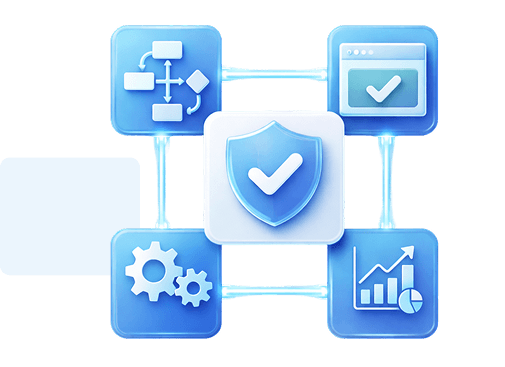
ComplianceOne connects structured records, supporting evidence, assigned owners, and human review. Authority-issued artifacts retain source labels; platform-prepared templates remain clearly identified as operational aids.
The platform helps prepare authority-ready or audit-ready packages where the implemented pack supports them. It does not guarantee compliance, legal validity, certification, or acceptance by an authority.
See how ComplianceOne connects AI risk decisions, official forms, incidents, monitoring, and controlled-testing evidence.

Ronni K. Gothard Christiansen - Technical Privacy Engineer & CEO
Technical Compliance Expert, 32+ Years Open Source Advocate, X-BoD Open Source Matters Inc.
It is active guidance and represented separately from draft, roadmap, or neighboring framework layers.
It adds a narrower operational layer beneath the parent while retaining its own code, status, evidence, and review context.
The National AI Ethics Framework is presented as authority-issued guidance, not a prescribed form or sanctions instrument. Platform-prepared assessments remain workflow aids.
No. It structures evidence, ownership, workflow, and review; organizations remain responsible for legal interpretation.
Yes. Related records can be cross-linked while preserving their original framework ownership and audit history.

Test AI classification, high-risk controls, incidents, and sandbox evidence.

Review your Decree 142 scope, forms, controls, and evidence readiness.


The evolution of Aesir is Aesir +  (the Norse symbol for Necessity)"Needed in order to achieve a particular result"
♥Join the AesirX Privacy Newsletter. Stay Informed. Stay Compliant.