
DPO Radio
COOKIE COMPLIANCE HALF-DAY TEAM WORKSHOP
A practical half-day workshop for privacy, legal, internal audit, marketing, web, and technical teams that need a deeper working session on website tracking, CMP configuration, consent flows, tag blocking, evidence, and remediation priorities.
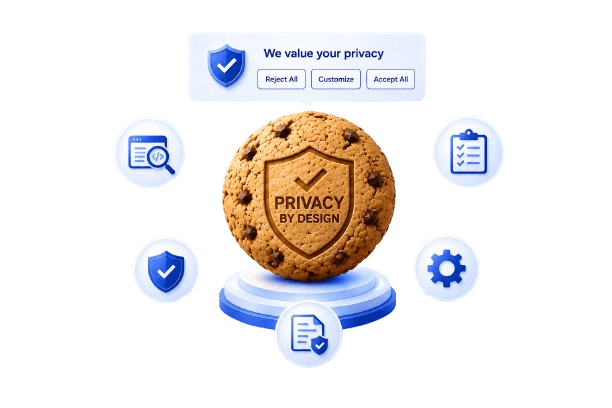
Most organizations do not have a cookie problem because one person made one bad decision.
They have a cookie compliance problem because legal, privacy, marketing, audit, and technical teams are working from different assumptions.
The problem appears when these pieces do not connect. A cookie banner may exist. A CMP may be installed. A privacy policy may be published. But the actual website may still load trackers before consent, classify technologies incorrectly, fail to block tags properly, or lack evidence for why tracking decisions were made.
This workshop helps your team move from fragmented assumptions to shared operational clarity.
The workshop is structured around five operational maturity markers.
1
We review the cookies, pixels, trackers, scripts, tags, embedded services, analytics tools, advertising tech, & third-party services active on the selected website. The goal is to understand what is actually happening, not only what the cookie banner or policy says.
2
We work through how tracking tech should be grouped by purpose, type, vendor, region, risk, & operational role. Includes the practical distinction between:
3
We review whether classifications are defensible; to understand why something belongs in a category, what justification supports that decision, & where weak or unclear classifications create risk. This is important for technologies that are misclassified as “necessary” or “functional” when they may support analytics, advertising, or third-party data processing.
4
We connect the classification decisions to the operational setup, including:
The goal is to make sure the technical behavior matches the compliance decision.
5
We define evidence needed to support the organization’s decisions. This includes:
This is where cookie compliance starts becoming part of a broader GRC & audit-readiness model.
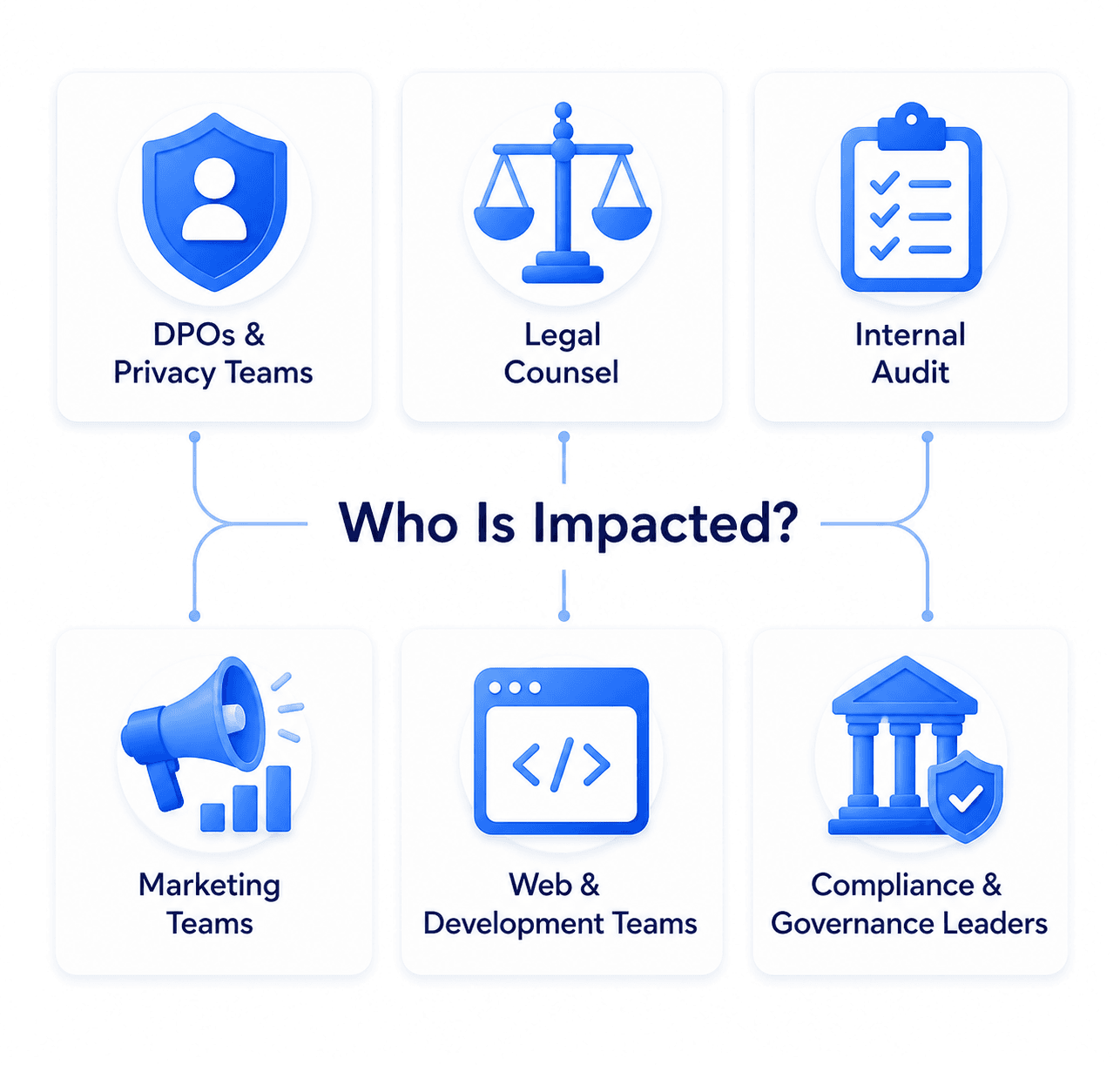
| Team | Why it Matters |
|---|---|
| DPOs & Privacy Teams | Understand the technical reality behind website tracking, consent, classification, and evidence. |
| Legal Teams | Connect consent, transparency, purpose limitation, and vendor-risk expectations to actual implementation. |
| Internal Audit | Understand what should be reviewed, evidenced, owned, monitored, and remediated. |
| Marketing Teams | Understand how analytics, pixels, retargeting, campaign tools, and conversion tracking create compliance risk. |
| Web & Technical Teams | Map CMP categories, tag behavior, consent events, scripts, and blocking logic into a workable implementation model. |
| Management Teams | Get a clearer view of operational risk, team ownership, and next-step priorities. |
The 2-hour introductory session is designed to create initial clarity. The half-day workshop is designed for teams that need to go deeper.
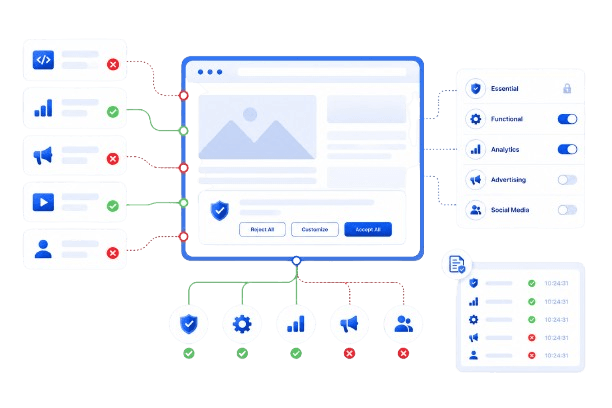
It gives stakeholders time to align around the actual website, review tracking setup, discuss classification decisions, evaluate CMP behavior, and define remediation priorities.
This is a practical technical privacy workshop using your website as the working example. Your team will work through questions such as:
The goal is not just awareness.
The goal is operational alignment.
After the half-day workshop, your team should have a clearer understanding of:

Practical summary of the key cookies, pixels, trackers, scripts, & tags reviewed during the session.
Working review of how the main technologies should be categorized.
Practical observations on consent banner flow, categories, reject/accept balance, & blocking behavior.
Identification of likely risk areas that need further review or remediation.
Clear next-step recommendations for legal, privacy, marketing, & technical teams.
Guidance on what should be documented for audit readiness.
Depending on scope. Not a formal audit unless agreed as an additional deliverable.
Website tracking compliance is no longer only a European issue. Organizations operating across multiple markets need to understand how website tracking, consent, vendor exposure, targeted advertising, cross-border considerations, and evidence requirements affect their compliance. This session can be adapted for teams operating across:
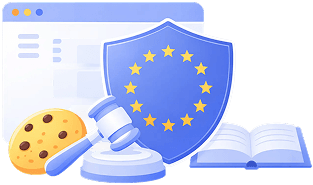
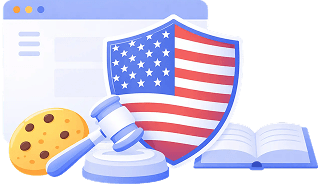
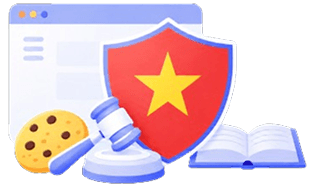

The legal details differ by jurisdiction. The operational challenge is consistent:
Can the organization explain what the website does, why it does it, how users are given meaningful control, and what evidence supports the decision?
US$2,500–3,500
Final pricing depends on scope, no. of stakeholders, no. of websites or page types, and whether preparation or follow-up documentation is required.
Includes:
Optional add-ons can include:
US$995
Best for teams that need fast, practical clarity on their current tracking setup.
US$2,500–3,500
For teams that need deeper review and cross-functional alignment around a real issue.
US$4,500–6,500
For larger organisations that need governance decisions, ownership clarity, and a remediation roadmap.
Setting the Scene
Reviewing Website Tracking
Classification Workshop
Consent Review
Implementation Review
Building Defensible Evidence
Priority Actions
Our work connects operational compliance.
AesirX builds privacy-first compliance technology for organizations that need more than a policy document.
The half-day workshop is for teams that want to move beyond a surface-level cookie banner review and start building a more mature website tracking governance model.
It’s a practical entry point into broader operational compliance, including AesirX CMP, AesirX Privacy Scanner, and AesirX ComplianceOne.
The 2-hour introductory session is designed to create a fast, practical understanding of your current website tracking setup and likely risk areas.
The half-day workshop goes deeper. It gives your team more time to review actual website behavior, discuss classifications, evaluate CMP categories, examine reject/accept flows, consider tag blocking, and define remediation priorities across privacy, legal, marketing, audit, and technical stakeholders.
The 2-hour session is best for initial clarity. The half-day workshop is best for team alignment and practical next-step planning.
No. The half-day workshop is a practical training and working session, not a formal written audit by default. It is designed to help your team understand your website tracking environment, identify likely issues, align stakeholders, and prioritize remediation.
A full audit, detailed written report, cookie and tracker inventory, CMP remediation plan, Privacy Scanner setup, ComplianceOne onboarding, or ongoing monitoring can be added as follow-up services.
The standard half-day workshop is best suited for one primary website or one clearly defined website environment. If the site is large, multilingual, multi-region, or has many different page types, we recommend selecting representative pages before the workshop, such as:
Multiple websites can be included, but that may require a custom scope or a full-day workshop.
The best results come when the right cross-functional stakeholders join.
Recommended participants include:
Cookie compliance works best when the people responsible for policy, tools, implementation, and evidence are aligned in the same session.
Before the workshop, it is helpful to share:
Access to internal systems is not required for the standard workshop, but having the right people present makes the session significantly more effective.

Book a Cookie Compliance Half-Day Team Workshop.

The evolution of Aesir is Aesir +  (the Norse symbol for Necessity)"Needed in order to achieve a particular result"
♥Join the AesirX Privacy Newsletter. Stay Informed. Stay Compliant.