DPO Radio
AESIRX COMPLIANCEONE
Read the original alongside the proposed analysis
Find permitted files, inspect processing coverage and compare supported PDFs with their original pages.
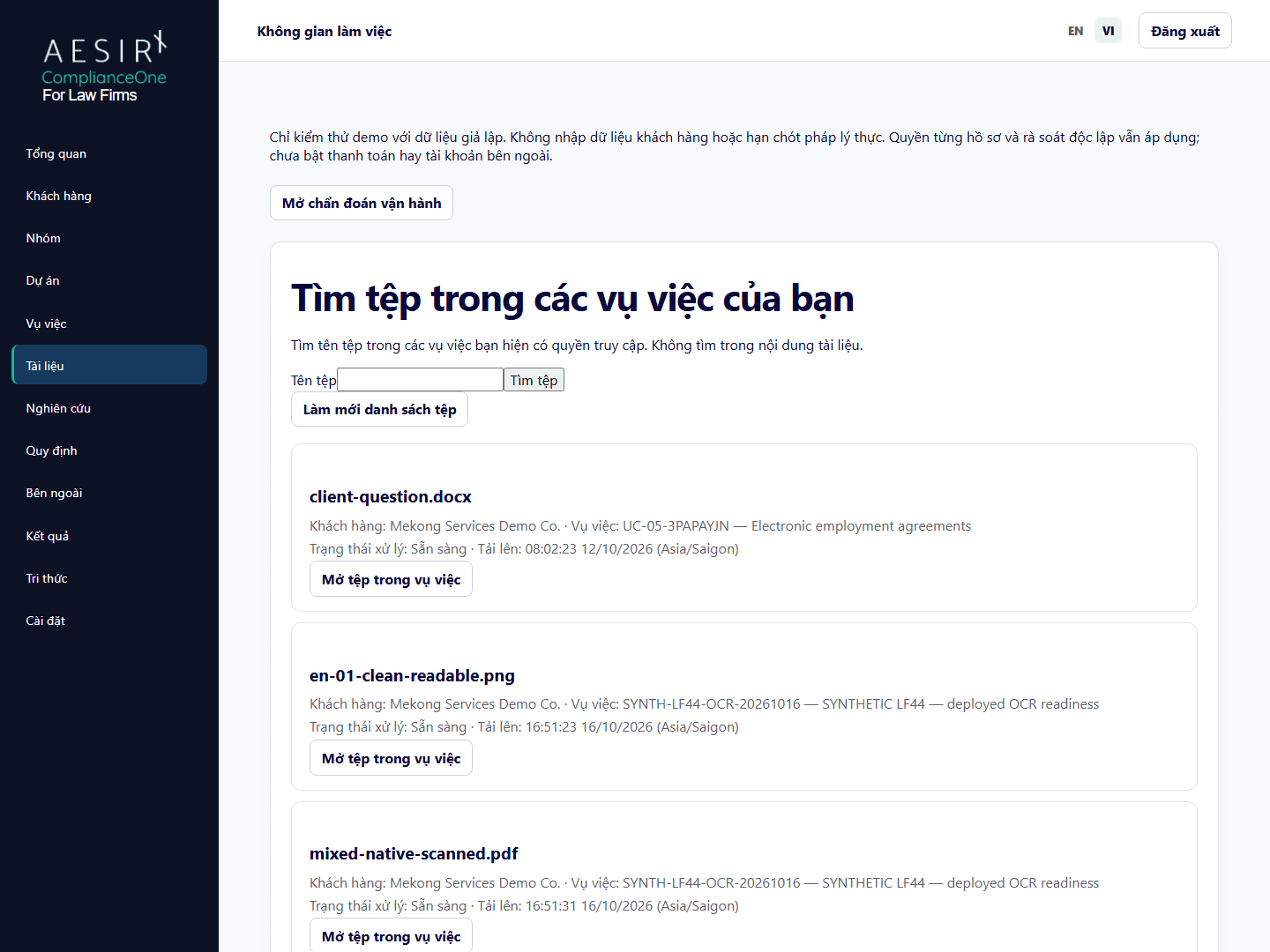
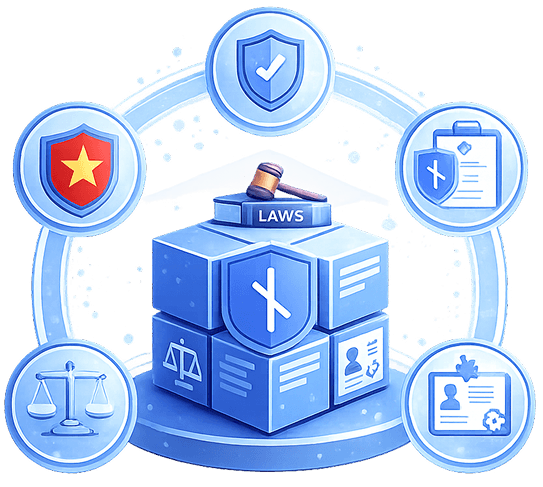
A lawyer needs more than extracted text to assess a notice, agreement or scanned attachment. The original page may contain wording or context that extraction did not preserve accurately.
Evidence staff also need to locate a file without first remembering its Matter. A filename match and a readable, current passage are different results, especially while processing is incomplete.
Document review connects authorized discovery with the selected Matter’s evidence tools. Staff can inspect readiness, open the original and review source-bound proposals before using the content in legal work.

Search filenames across currently accessible Matters and inspect the named client, Matter and document result. Within a Matter, local list filters remain distinct from global discovery.
Read the file’s current processing state and coverage. A failed or incomplete file may still appear by filename; that does not make its contents ready evidence for research.
Open the original PDF page alongside extracted text. Recorded OCR regions and confidence information help orient the review; unavailable coordinates must not be treated as an exact verified highlight.
Use source-bound Redline and Tabular workflows where enabled. Inspect the exact selected source and proposed finding; an acknowledgment or accepted proposal does not silently rewrite the original evidence.


 A file’s Matter must be remembered first.
 Search authorized filenames across accessible Matters.Extracted text is read without its original page.Open supported original PDF pages for comparison.Processing failures are mistaken for empty evidence.Inspect processing state and evidence coverage.Proposed edits lose their source context.Review changes against exact source selections.Review tables are copied away from the file.Keep table findings connected to their passages.

An accented filename remains identifiable through discovery and original download.

A reviewer can compare a physical PDF page with extracted wording.

A failed extraction remains distinguishable from a completed evidence search.
Review the workflow with representative synthetic records and the roles your firm intends to use.

Ronni K. Gothard Christiansen - Technical Privacy Engineer & CEO
Technical Compliance Expert, 32+ Years Open Source Advocate, X-BoD Open Source Matters Inc.
Global filename discovery searches currently accessible Matters and identifies the client, Matter and file. The result opens the permitted record and does not confer access after membership is revoked.
A filename may appear even when processing failed or remains incomplete. Staff must check current readiness and coverage before treating the contents as readable evidence.
Original-page comparison helps the reviewer inspect wording. OCR confidence or a recorded region is supporting information; it does not independently verify transcription accuracy or the legal meaning of the text.
Review proposals keep their source and version bindings. Staff must inspect and explicitly review the proposed change; the original evidence is not silently rewritten by a suggestion or acknowledgment.
Read the current explanation and retained-original options, inspect saved state and follow the named recovery step. Do not treat failed processing as a successful empty result or automatically repeat an uncertain upload.

Discuss the deployment, audience and source-rights requirements for an agreed evaluation.

Discuss your firm's document review workflows, evidence access and deployment requirements.


The evolution of Aesir is Aesir +  (the Norse symbol for Necessity)"Needed in order to achieve a particular result"
♥Join the AesirX Privacy Newsletter. Stay Informed. Stay Compliant.