DPO Radio
AESIRX COMPLIANCEONE
Reuse selected work with its audience and source rights intact
Publish selected firm material and use approved knowledge or template versions within current access.

Useful work can be difficult to find after a Matter closes, while copying whole files into a shared folder can expose material that was never intended for wider use.
Library contributors need a deliberate publication path. Lawyers reusing material need to know which version they selected, which audience may read it and whether its sources still support the intended use.
Firm knowledge and templates support selected publication and governed reuse. They connect contributions and drafts to their recorded versions instead of turning every private Matter document into common firm material.

Use the authorized contribution workflow to select material and its permitted audience. Publication is an explicit action with source and review conditions, rather than an automatic copy of private Matter work.
Search available library material and inspect the named version and provenance. A previous result is not a substitute for current access when rights or source state change.
Use the available template and version controls for the intended output. Supplied values remain entered context until the relevant fact or professional review is completed.
Select knowledge for the intended Matter and inspect its current rights. Earlier publication or template approval does not automatically authorize every later audience, source version or client disclosure.


 Useful work remains in an individual’s folder.
 Contribute selected material through a named workflow.Whole private files are copied into shared storage.Review the permitted publication audience explicitly.Template versions become difficult to identify.Choose recorded knowledge and template versions.Entered values are mistaken for confirmed facts.Keep entered context distinct from confirmed facts.Publication is assumed to authorize every later use.Check current rights for the intended reuse.

A contribution can be selected without publishing the whole private Matter.

A lawyer can identify the knowledge or template version used in a draft.

Current audience and source rights remain part of reuse decisions.
Review the workflow with representative synthetic records and the roles your firm intends to use.

Ronni K. Gothard Christiansen - Technical Privacy Engineer & CEO
Technical Compliance Expert, 32+ Years Open Source Advocate, X-BoD Open Source Matters Inc.
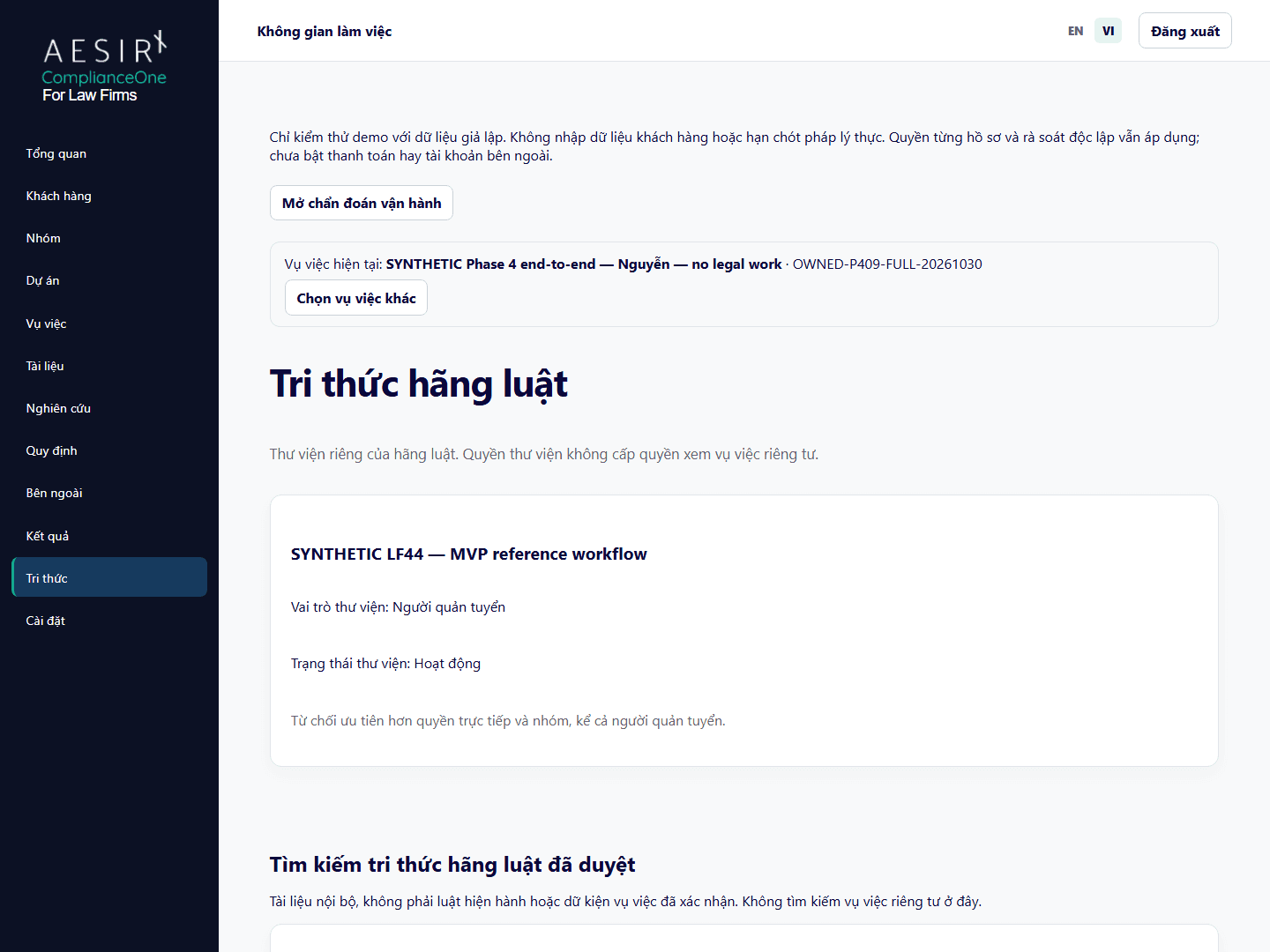
Firm knowledge uses explicit publication and audience decisions. Private Matter membership and source rights remain separate; a library does not automatically collect all private files.
Where available and permitted, staff can choose the approved template and version for a work product. Required values and the intended audience still need inspection.
Values supplied to a template are entered context. They do not become confirmed Matter facts or professional conclusions merely because a draft was generated from them.
Publication does not grant unrestricted reuse or redistribution. The current Matter audience, source version and applicable usage rights must support the intended work.
Staff must reload and inspect current permitted material before reuse. A cached result or earlier approval does not reinstate withdrawn access or silently replace an unavailable source.

Discuss the deployment, audience and source-rights requirements for an agreed evaluation.

Find out how your firm can manage knowledge sharing, template versions and reuse permissions.


The evolution of Aesir is Aesir +  (the Norse symbol for Necessity)"Needed in order to achieve a particular result"
♥Join the AesirX Privacy Newsletter. Stay Informed. Stay Compliant.