
DPO Radio
 Electronic Transactions Law - Trust Services Technical Standards [ACTIVE]
This cluster brings together active technical layers that are important to trust-service providers, software teams, certificate operators, relying parties, and organizations using foreign electronic signatures.

Instruments in the cluster
| Instrument | Technical role | Effective |
|---|---|---|
| Circular 15/2025/TT-BKHCN | Digital-signing software, signature-checking software, and public certification service gateway | 15 Aug 2025 |
| Circular 16/2025/TT-BKHCN | Model certification practice | 20 Aug 2025 |
| Circular 17/2025/TT-BKHCN | NEAC interoperability requirements | 5 Sep 2025 |
| Circular 28/2025/TT-BKHCN | Digital-signature certificate information formats | 1 Jan 2026 |
| Circular 50/2025/TT-BKHCN | QCVN 137:2025/BKHCN for public digital-signature certification services | 1 Jul 2026 |
| Circular 51/2025/TT-BKHCN | QCVN 138:2025/BKHCN for timestamp services | 1 Jul 2026 |
| Circular 06/2024/TT-BTTTT | Recognition of foreign providers, signatures, and certificates in Vietnam | 15 Aug 2024 |
QCVNs are official technical regulations, not fillable forms. Circular 16's model certification practice and the other official technical references retain official classifications; supplemental ComplianceOne checklists and evidence records are identified as internal templates.
The Trust Services Technical Standards cluster supports the Electronic Transactions Law by providing detailed technical requirements for trust services. The parent framework establishes the legal basis, while the related circulars and QCVNs define technical specifications for areas including digital signatures, timestamp services, interoperability, certificate formats, certification practice, and foreign recognition. Each instrument retains its own legal role, status, and technical scope.
| Operational Area | ComplianceOne Support |
|---|---|
| Applicability | Record scope decisions, software and service inventories, owners, exceptions, and review history. |
| Operational work | Assign tasks, map technical controls, connect interoperability and certificate-format evidence, and manage approvals. |
| Artifacts | Organize QCVN readiness records, foreign-recognition dossiers, and supporting evidence. ComplianceOne does not certify trust services or replace official instruments or technical materials. |
| Audit readiness | Preserve contributor, reviewer, decision, and change history for later inspection and audit preparation. |
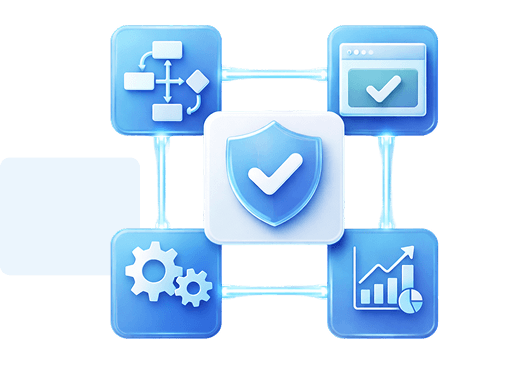
ComplianceOne connects technical evidence, supporting records, assigned owners, and human review across the Trust Services Technical Standards cluster. Official technical regulations and related instruments retain their source classifications, while platform-prepared checklists, readiness records, and evidence templates are clearly identified as internal operational aids.
The platform helps organize technical documentation, implementation evidence, review history, and linked framework records within a single operational workspace. It does not replace official technical regulations, certify trust services, or guarantee compliance or regulatory acceptance.
The Trust Services Technical Standards are the technical regulations and supporting instruments that define requirements for areas such as digital signatures, timestamp services, interoperability, certificate formats, certification practice, and recognition of foreign providers. Each instrument retains its own legal role and technical scope.
The Electronic Transactions Law establishes the legal framework, while the Trust Services Technical Standards provide technical requirements through related circulars and QCVNs. Each instrument remains separate with its own status, scope, and technical purpose.
No. ComplianceOne organizes technical evidence, workflow, ownership, and review. Official technical regulations retain their original status, and the platform does not certify trust services or replace official technical materials.
Yes. ComplianceOne can link technical evidence, implementation records, reviews, and related framework records across multiple trust services instruments while preserving their original source and audit history.
No. ComplianceOne supports operational readiness by organizing evidence, ownership, workflow, and review. Organizations remain responsible for technical implementation, legal interpretation, and regulatory compliance.

See how ComplianceOne supports technical evidence, workflows, and review across Trust Services Technical Standards.

Discuss how the Trust Services Technical Standards fit into your broader compliance program.


The evolution of Aesir is Aesir +  (the Norse symbol for Necessity)"Needed in order to achieve a particular result"
♥Join the AesirX Privacy Newsletter. Stay Informed. Stay Compliant.