DPO Radio
AESIRX COMPLIANCEONE
Keep client context connected to the work it starts
Maintain named client records and open permitted engagement work in ComplianceOne for Law Firms.
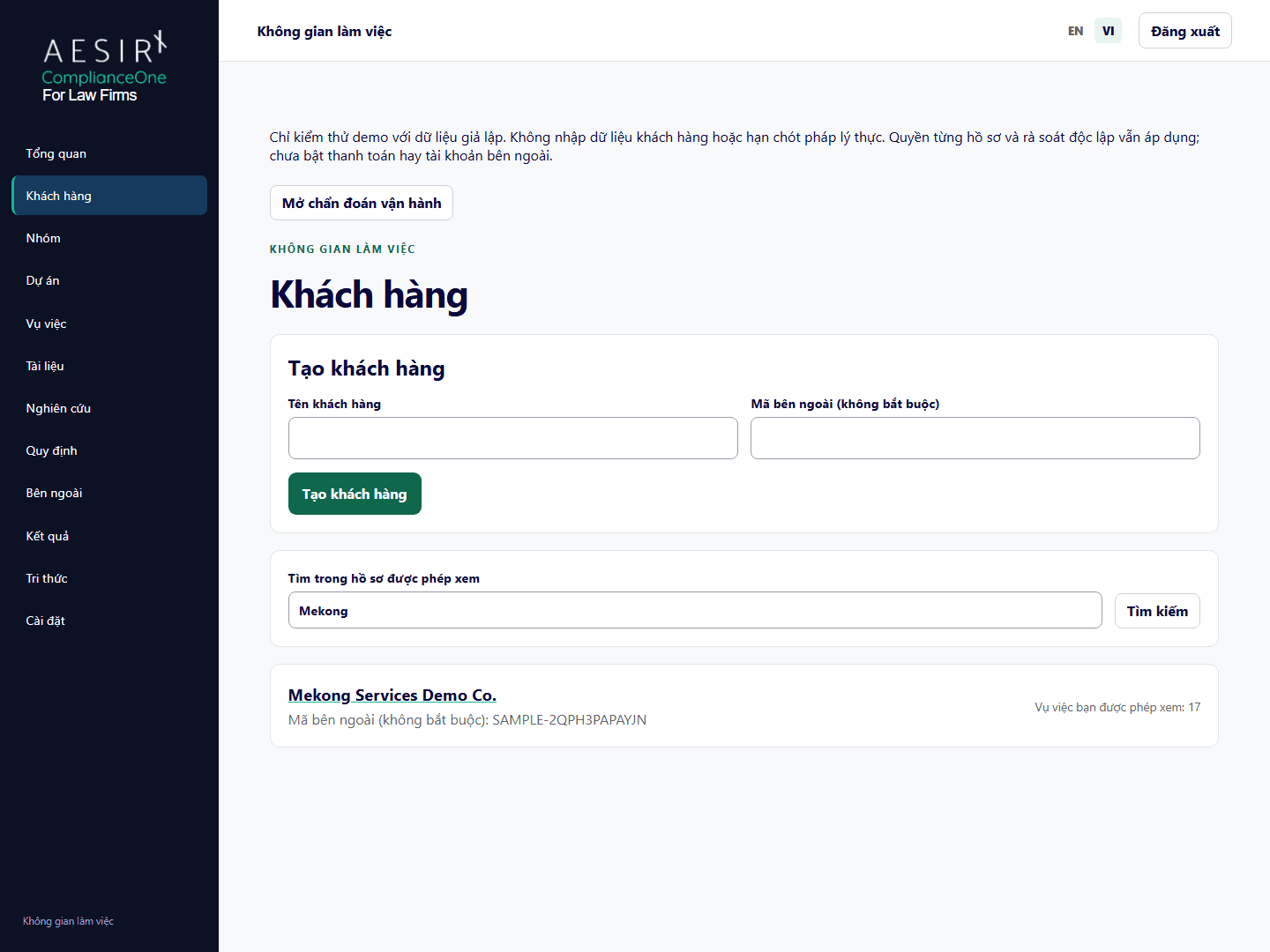
A client relationship can involve several engagements and unrelated legal issues. Staff need to identify the correct client before creating work or reviewing an existing record.
Practice administrators also need to maintain references and distinguish the people who administer a client from the people who can read a private Matter. An old spreadsheet or email thread rarely makes that distinction clear.
Client management provides a named starting point for permitted engagement work. Lawyers can move from the client to the relevant Matter while its separate membership and source rules remain in place.

Search accessible client records by name or reference. Open the intended record and check its displayed identity before starting work for a similarly named organisation.
Authorized client administrators can update the external reference and other permitted metadata. Staff can reconcile the saved record with the identifier used in their own engagement process.
Begin a new Matter from an eligible client record. Confirm the selected client, issue description and access preview before saving the private legal workspace.
Client administration, staff Matter membership and client-recipient access are separate decisions. A person who can maintain client details does not thereby receive every private document.


 Client identifiers sit in separate spreadsheets.
 Search named records within current access.Similarly named organisations need manual reconciliation.Inspect the client before creating its Matter.Engagement context is separated from legal work.Maintain the client reference in the record.Staff infer private access from client responsibilities.Open connected work through permitted entry points.Reference corrections are hard to trace to one record.Review private membership separately from client administration.

A client reference can be corrected without creating a substitute client.

New Matters begin with an explicit, named client choice.

Staff can distinguish client administration from private evidence access.
Review the workflow with representative synthetic records and the roles your firm intends to use.

Ronni K. Gothard Christiansen - Technical Privacy Engineer & CEO
Technical Compliance Expert, 32+ Years Open Source Advocate, X-BoD Open Source Matters Inc.
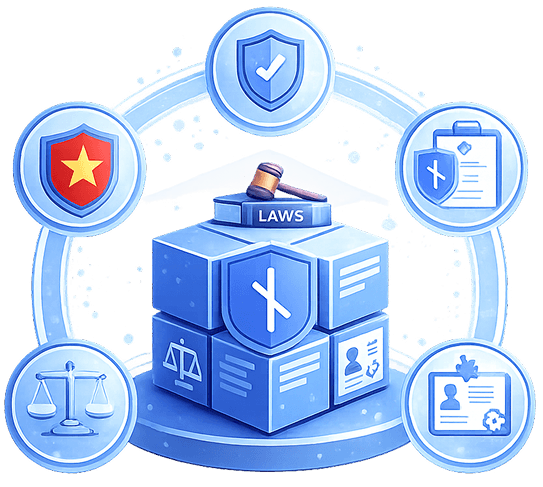
ComplianceOne for Law Firms separates the client record from its named legal Matters. Staff can maintain the relationship while opening each issue under its own context and membership.
A currently authorized client administrator can edit permitted client metadata, including the external reference. Staff should inspect the saved result before retrying an uncertain change.
Client administration does not automatically grant private Matter or library content access. Each record and source retains its current membership, permission and rights checks.
An eligible staff member can begin a Matter from the client-specific entry. The creation flow still requires an eligible client, meaningful context and the current access preview.
Use invented clients in an agreed evaluation deployment, with representative staff roles. Confirm client administration and private Matter membership separately before introducing actual client information.

Discuss the deployment, audience and source-rights requirements for an agreed evaluation.

Review your firm's client management needs, access controls and engagement workflows.


The evolution of Aesir is Aesir +  (the Norse symbol for Necessity)"Needed in order to achieve a particular result"
♥Join the AesirX Privacy Newsletter. Stay Informed. Stay Compliant.