

DPO Radio
 Data Law Decision 20/2025/QĐ-TTg [ACTIVE]
Important and core data list, effective 1 July 2025. ComplianceOne helps teams prepare, manage, review, and evidence relevant operational work.

Decision 20/2025/QĐ-TTg Important and Core Data List provides the official important and core data classification list used within the Data Law stack. It is represented according to its implemented legal role and is not promoted into a broader or more binding framework.
Operational themes include classification screening, accountable decisions, inventory linkage, review, and cross-border or security escalation. Teams should confirm applicability and legal interpretation with qualified advisers.
This instrument sits beneath the Vietnam Data Law, Law 60/2024/QH15. The parent law establishes broad data-governance obligations; Decision 20 supplies the official important/core data classification list that those obligations rely on for screening and escalation. It sets the criteria by which data is designated important or core and prescribes no form of its own.
Decree 165/2025/NĐ-CP and Decree 169/2025/NĐ-CP are the active implementing decrees beneath the same parent law; a dataset matching Decision 20's important or core criteria escalates into the data-governance and cross-border-transfer controls those decrees define.
Cross-links preserve related evidence without duplicating parent obligations or changing the status of neighboring active, draft, guidance, or reference layers.
| Operational Area | ComplianceOne Support |
|---|---|
| Applicability | Record scope decisions, owners, and review history. |
| Operational work | Assign tasks, connect supporting evidence, and manage approvals. |
| Artifacts | Decision 20 is modeled as an official classification list, not an official form pack. ComplianceOne records screening and decisions with internal evidence templates. |
| Audit readiness | Preserve contributor, reviewer, decision, and change history. |
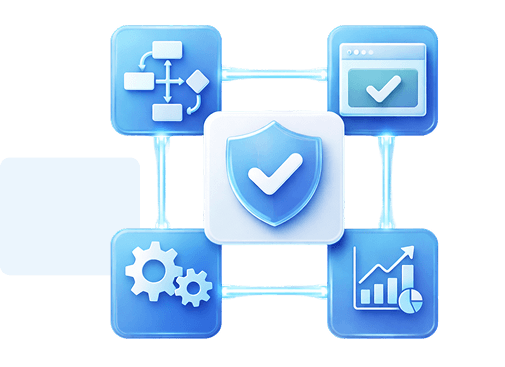
ComplianceOne connects structured records, supporting evidence, assigned owners, and human review. Authority-issued artifacts retain source labels; platform-prepared templates remain clearly identified as operational aids.
The platform helps prepare authority-ready or audit-ready packages where the implemented pack supports them. It does not guarantee compliance, legal validity, certification, or acceptance by an authority.
See how ComplianceOne connects official forms to procedures, risk records, evidence, and approval.

Ronni K. Gothard Christiansen - Technical Privacy Engineer & CEO
Technical Compliance Expert, 32+ Years Open Source Advocate, X-BoD Open Source Matters Inc.
It is active official list and represented separately from draft, roadmap, or neighboring framework layers.
It adds a narrower operational layer beneath the parent while retaining its own code, status, evidence, and review context.
Decision 20 carries no official forms of its own, so there is nothing authority-issued to distinguish here: ComplianceOne records important/core screening and classification decisions using internal evidence templates, labelled as platform-prepared working documents. Where a match escalates to Decree 165 or Decree 169, those instruments' own verified official forms retain their separate source labels.
No. Decision 20/2025/QĐ-TTg is modeled as an official classification list rather than an official form pack – it sets the criteria for designating data important or core. ComplianceOne records screening and classification decisions using internal evidence templates rather than government-issued forms.
Yes. Related records can be cross-linked while preserving their original framework ownership and audit history.

Test Decision 20 forms, evidence, procedures, and review gates with your team.

Review your Decision 20 evidence sources, owners, and authority-readiness process.


The evolution of Aesir is Aesir +  (the Norse symbol for Necessity)"Needed in order to achieve a particular result"
♥Join the AesirX Privacy Newsletter. Stay Informed. Stay Compliant.