DPO Radio
AESIRX COMPLIANCEONE
Coordinate the engagement without losing the named legal issues
Organize tasks, dates and delegated leads around client engagements and their named Matters.
An engagement can involve several Matters, teams and deliverables. Lawyers need a shared planning view without collapsing each legal issue’s private evidence into a common folder.
Engagement coordinators need to record who will do the work, the relevant dates and the planning baseline. Estimates, actual time and legal deadlines answer different questions and should remain distinguishable.
Projects connect the client engagement to named teams, leads, Matters and native planning work. Staff can inspect assignments and planned changes before confirming them under current authority.
Choose an accessible client, name the Project and select an eligible accountable owner. Agreement references record the human-approved scope rather than creating a legal engagement by inference.
Connect teams and leads to the Project and inspect the proposed audience. A Project assignment does not automatically make every private Matter available to the entire team.
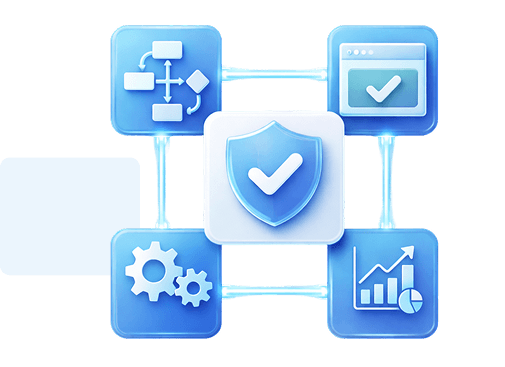
Create permitted tasks, deadlines and events and inspect boards, timelines or calendars. Record explicit owners, estimates and planned dates instead of keeping a second task list outside the engagement.
Review the native change preview and planning baseline before confirming. A task-date change does not silently alter a legal Matter deadline or record actual billable time.


 Engagement tasks are scattered across spreadsheets.
 Keep native work linked to the engagement.Leads and owners are inferred from messages.Record named owners, teams and delegated leads.Each planning view becomes a separate task list.Inspect work through supported planning views.Estimates are confused with actual time.Separate estimates from actual time entries.Task moves are assumed to change legal deadlines.Review explicit date and audience changes.

A coordinator can open the named engagement and its linked Matters.

Planning work retains its own owner, status and recorded schedule.

Date changes can be reviewed without silently changing separate legal deadlines.
Review the workflow with representative synthetic records and the roles your firm intends to use.

Ronni K. Gothard Christiansen - Technical Privacy Engineer & CEO
Technical Compliance Expert, 32+ Years Open Source Advocate, X-BoD Open Source Matters Inc.
A Project coordinates the client engagement, planning work and delegated participants. A Matter remains the named private legal issue with separate evidence and access rules.
Where enabled and permitted, native planning provides tasks, deadlines, events, boards, timelines, calendars and in-app reminders. Available controls depend on the deployment and current record authority.
Estimates describe planned effort. Actual time is recorded separately through its permitted workflow; moving or completing a planning task does not silently create a time entry.
A planning date and a legal Matter deadline are separate records. Staff must review and explicitly make the intended change rather than infer a legal deadline from a task move.
Native planning supports its own work records and views. An external account connection is a separate consent and configuration decision and is not required merely to record engagement work.

Discuss the deployment, audience and source-rights requirements for an agreed evaluation.

Find out how your firm can coordinate engagement tasks, team assignments and deadlines.


The evolution of Aesir is Aesir +  (the Norse symbol for Necessity)"Needed in order to achieve a particular result"
♥Join the AesirX Privacy Newsletter. Stay Informed. Stay Compliant.