


Have you ever received advertisements from a strange website even though you never clicked, followed, or heard anything about it? For sure, this irritates you, yet you don't know how to handle it. The most likely offender is tracking cookies; an invasive form of customer privacy abuse. This article will surprise you with how data privacy abuse has dominated the online world for a decade, yet could soon be coming to an end.
First-party data
First-party data compliance ensures that you collect customer data legally and ethically, allowing you to create ads, content, and experiences that are more meaningful. First-party data is collected from:
- Behaviors and actions of customers
- Purchase, search, and contact history
- Geographical and demographical data
- Phone, email, and SMS interactions
To make it simpler, first-party data is data gathered from your visitors through digital channels that you own. Those people have given their consent so that you can use their data to get in touch with and engage them, which is trustworthy, problem-free, and totally LEGAL.
Third-party data
Third-party data doesn’t have any direct link to the customers. Usually, aggregators collect this data to sell it to other companies. Third-party data is collected from:
- Demographics
- Behaviors
- Contextual
What makes this data collection a problem is how data aggregators obtain it from many sources and compile it into a single dataset, not directly from the customers. This means customers do not know where it comes from, so there is nothing sure about its security or accuracy. And this is NOT LEGAL.
Cookies
Internet browsers employ cookies to track, personalize, and save data about each web visitor's session. Simply put, a "session" implies the amount of time you spend on a website. And once you accept the cookie, you will be tracked.
Using cookies for tracking can be considered a violation of privacy without proper cookie consent. Those camera devices are cookies. However, you don't know how your footage will be used. Will they edit and then use it afterward for any improper purposes? There is nothing to be sure of.
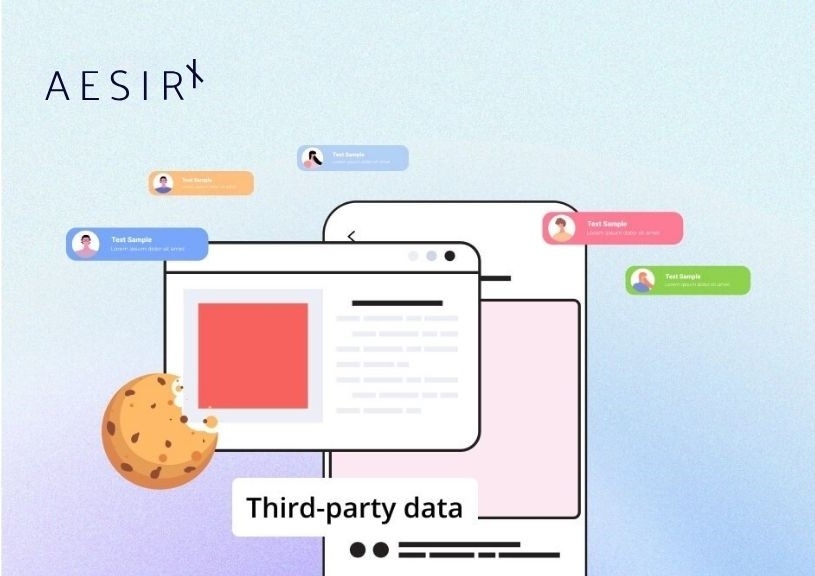
Using cookies as a weapon to invade users’ privacy is illegal
A decade of customer privacy abuse must end now!
The ePrivacy Directive aims to set stricter guidelines on how data is used and managed across the internet, ensuring businesses adhere to privacy laws. Their business model of providing free services in exchange for gathering users' personal information and behavioral data has been a huge success. Big Tech companies such as Facebook and Google became offenders who continually monitor, listen to, and watch us for their own profit. Due to the systematic abuse, their entire business model is based on deceptive marketing strategies.
Consider the travel and hospitality industry as another example. With their customer data abuse, they are some of the worst offenders using third-party tracking cookies. Arriving in plain text on unsecured emails to sell ads and advertise their products, they show little respect for customer privacy; this current reality must stop.
Third-party JavaScripts are also a big risk factor. These snippets of code or scripts can be inserted into any site directly by third-party vendors. A good example is ad scripts - they generate and display targeted ads on publisher websites making them unpopular for users, yet they earn money for web publishers. Facebook and Google have been doing just that for years - gathering user data through the use of third-party JavaScripts in order to develop adverts and increase revenue.
There is now an increasing number of devices and browsers already preventing cookies and cross-site tracking, and the good news is all browsers will do the same soon. Since that includes third-party JavaScripts, it will soon all be blocked. Users will no longer be able to use remote third-party analytics (which is why first-party is the future of technology).
There is at least one exception to the rule, however. Google Chrome. In January 2020, Google Chrome posted an announcement on ‘making third party cookies obsolete’ (1). Google explained that this plan was built to enhance privacy on its web. As they mentioned, this move will offer users more accurate browser cookie restrictions. Sounds like an intriguing plan!
However, there would be nothing to discuss if the CEO of Google hadn’t recently announced that the plan would be delayed until 2024 (2). This has already been the second delay from Google since the first delay in 2021. This means Google Chrome will not yet become legal. And soon, they are going to become the ONLY browser in the industry pioneering the age of abusive marketing.
Will there be any more delays? Why not stop it now?
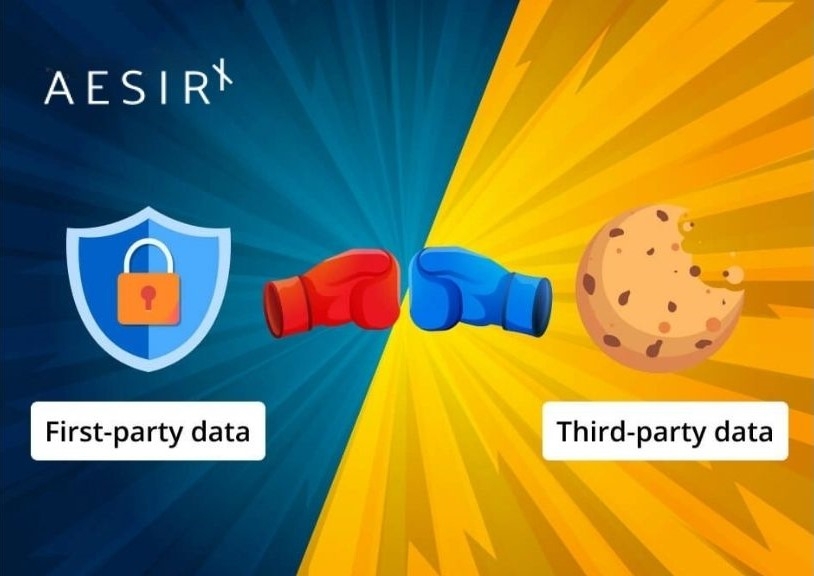
Why wait two more years to ensure our privacy is guaranteed?
Stop the Abuse of Privacy-Based Data with AesirX Solutions
AesirX Analyticsis designed with a privacy-first philosophy, collecting only first-party data—with no third-party tracking cookies or external data sources involved. This solution enables businesses to gather and analyze data accurately, legally, and in full compliance with data privacy regulations such as GDPR and CCPA.
Why should you replace your current analytics tools with AesirX Analytics? Because AesirX is built on the principle of no customer privacy abuse, always putting privacy first—offering your business a range of powerful, future-proof benefits.
- 1st-party based platform
- Compliant custom solutions
- End-to-end service
- Free open-source PWA
- Dynamically scale
Privacy-first revolution is changing the world. If you are using MarTech which is based on customer data abuse, replace your automation tools with AesirX solutions. Make sure that companies operating on the invasion of human privacy must be excluded from the world.

AesirX solutions - no data abuse, always privacy first
DOWNLOAD Open Source AesirX Analytics for FREE via GitHub.
Discover how AesirX Analytics can help your team personalize customer experiences in a compliant and ethical way. Visit AesirX Analytics to learn more.
Reference:
(1) Chromium Blog. Building a more private web: A path towards making third party cookies obsolete. Tuesday, January 14, 2020.
(2) Jennifer Elias, CNBC. Google delays cookie-cutting to 2024. Wednesday, July 27.